Address
304 North Cardinal St.
Dorchester Center, MA 02124
Work Hours
Monday to Friday: 7AM - 7PM
Weekend: 10AM - 5PM
Address
304 North Cardinal St.
Dorchester Center, MA 02124
Work Hours
Monday to Friday: 7AM - 7PM
Weekend: 10AM - 5PM


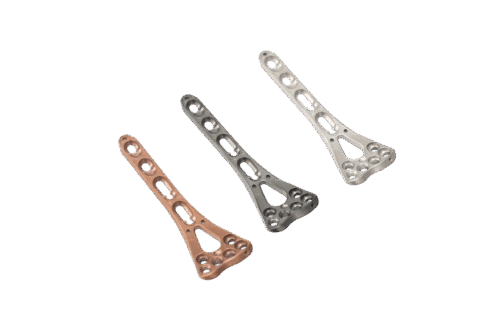
In the realm of advanced manufacturing, titanium alloy powder holds a pivotal role. This material, known for its high strength-to-weight ratio, is a game-changer in industries like aerospace and automotive.

But the significance of titanium alloy powder extends beyond its physical properties. It’s also a key player in the transition towards more sustainable manufacturing practices. By reducing waste and energy consumption, this technology is helping to reshape the industry.
The future of titanium alloy powder technology is promising. It’s not just about creating lighter, more fuel-efficient designs. It’s also about integrating eco-friendly practices into business operations without sacrificing cost-efficiency.
This article delves into the technical aspects of titanium alloy powder technology. It explores its role in green technology and advanced manufacturing. It also provides insights into how businesses can leverage this technology for sustainable growth.
Join us as we explore the future of titanium alloy powder technology.
Titanium alloy powder is integral to modern manufacturing. It combines durability with a remarkable strength-to-weight ratio. This makes it indispensable in high-tech industries.
The adaptability of titanium alloy powder allows for complex geometries in product design. This is particularly beneficial in sectors like aerospace and automotive, where efficiency and performance are paramount.
Additionally, titanium alloy powder enhances the sustainability of manufacturing processes. It minimizes waste and allows for the recycling of materials. This aligns with the global shift towards eco-friendly practices.
Its role in additive manufacturing and 3D printing cannot be overstated. These techniques leverage the powder’s properties to produce parts that are both lightweight and strong.
In essence, titanium alloy powder is shaping the future of sustainable and efficient manufacturing. It offers unmatched versatility and performance.
Titanium metal is celebrated for its exceptional properties. These include high strength and corrosion resistance. It is vital for demanding environments.
In advanced manufacturing, titanium metal facilitates the creation of lightweight components. This is crucial in improving fuel efficiency. Applications range from aerospace to automotive sectors.
Due to its high melting point, titanium suits high-temperature scenarios. This is an advantage in manufacturing processes involving extreme conditions.
Moreover, the biocompatibility of titanium extends its use into biomedical fields. It is used for implants that require longevity and stability.
Titanium’s unique qualities ensure it is a cornerstone of future technological advancements. Its utility spans multiple industries.
Powder metallurgy is a transformative process in material science. It allows for precise control over material properties. This is crucial for high-performance applications.
Through powder metallurgy, manufacturers can tailor titanium alloy powders. Particle size and composition are adjusted to meet specific needs. This results in materials optimized for performance.
This process reduces waste production. It reclaims unused powder, contributing to environmentally-friendly practices. It aligns with the principles of sustainable manufacturing.
Powder metallurgy enables the creation of complex components. These can be produced without the need for additional machining. This efficiency reduces energy consumption.
Ultimately, the precision of powder metallurgy drives innovation. It supports the development of titanium alloys with superior qualities. This ensures their place in future manufacturing.
Sustainability is crucial in modern manufacturing. The production of titanium alloy powder is no exception. Innovative practices aim to lessen environmental impact.
A primary focus is energy consumption. Advanced techniques reduce the energy required in production. This lowers the carbon footprint of manufacturing processes.
Moreover, reducing waste is essential. Techniques like powder metallurgy allow for material reuse. This cuts down on excess and supports sustainability goals.
Environmental regulations are stricter than ever. Complying with these laws is vital for manufacturers. It also aligns with consumer demand for green practices.
Collaboration is key in advancing sustainability. Partnerships between companies drive innovative approaches. These efforts enhance the eco-friendliness of titanium alloy production.
Proprietary processes are pivotal in reducing environmental harm. These unique methods enhance the efficiency of titanium alloy powder production.
Such processes optimize resource usage. This means less raw material is needed. Consequently, waste and environmental footprints are minimized.
Energy efficiency is another benefit. Advanced techniques streamline production stages. This results in significant energy savings over time.
These processes also enable precise control over emissions. Managing output helps comply with environmental standards. It also boosts the public image of manufacturers.
Ultimately, proprietary innovations make titanium powder production more sustainable. They bridge the gap between performance and eco-friendliness.
The circular economy is transforming manufacturing. It emphasizes the importance of recycling and reusing materials.
In the context of titanium alloy powders, recycling is vital. It prevents waste and saves natural resources. This aligns with global sustainability goals.
Reusing powders reduces production costs. It creates a closed-loop system, boosting efficiency. This is a key component of sustainable manufacturing.
Manufacturers can reclaim and process waste powders. This reduces landfill use and conserves raw materials. It’s an approach that supports environmental responsibility.
Integration into existing supply chains is seamless. Circular practices benefit businesses and the planet. It’s a win-win for sustainability in manufacturing.
Strategic partnerships drive the growth of the titanium alloy powder market. These alliances bring together expertise from various fields. Collaboration can open doors to new technologies and applications.
Partnerships encourage innovation. By working together, companies can develop cutting-edge solutions. These innovations push the market forward.
Furthermore, collaborations often reduce costs. Sharing resources and knowledge streamlines processes. This leads to a more efficient production landscape.
Market growth is closely tied to these partnerships. As new applications emerge, demand increases. This evolution benefits both the industry and the environment.
Investing in partnerships offers a competitive edge. Companies that collaborate are better positioned for future success.
Innovation thrives on collaboration. In the realm of titanium alloy powders, teamwork is invaluable.
Collaborative efforts bring diverse perspectives. This diversity sparks creative solutions to complex challenges. It’s a catalyst for groundbreaking advancements.
Joint ventures combine strengths. They leverage unique skills from each partner. This synergy is crucial for developing pioneering technologies.
Research and development benefit immensely. Collaborations often result in more comprehensive studies. This leads to better data and more informed decisions.
Ultimately, shared goals unify efforts. Collaborations drive progress in sustainable and advanced manufacturing.
Titanium alloy powders have a growing range of applications. Their unique properties make them suitable for various industries.
In aerospace, these powders create lighter, stronger components. This enhances fuel efficiency and performance.
Biomedical fields also benefit. Titanium alloys are biocompatible and corrosion-resistant. They are ideal for implants and medical devices.
The automotive industry uses these powders for lightweight parts. This reduces vehicle weight and improves efficiency.
Additive manufacturing leverages these powders for complex designs. This technology minimizes waste and enhances precision.
As applications expand, demand for titanium alloy powders rises. This continues to drive innovation and market growth.
The future of titanium alloy powder is promising. Innovation will shape this industry’s path forward. Sustainable practices are at the forefront of this evolution.
As industries evolve, so do their needs. Titanium alloy powder technology will adapt to meet these demands. Advanced manufacturing techniques will lead the way.
Growth in high-tech sectors fuels innovation. As demand increases, new applications will surface. This will push boundaries further.
Global collaboration will play a crucial role. Partnerships will drive technological advancements. This collaboration fosters a more sustainable future.
The horizon for titanium alloy powder technology is expansive. With continuous innovation, its potential is boundless.
Achieving balance is crucial in materials technology. Titanium alloy powders must meet performance standards. Simultaneously, they should support sustainability goals.
High performance is essential for demanding applications. This includes aerospace and biomedical fields. However, it shouldn’t come at an environmental cost.
Cost-efficiency is vital for market competitiveness. By optimizing production, costs can be lowered. This makes high-quality powders more accessible.
Sustainability remains a core focus. Reducing waste and energy is imperative. This benefits both the environment and businesses.
Finding this balance will define future innovations. It ensures titanium alloy powders remain industry leaders.
Research and development (R&D) are pivotal in green tech. For titanium alloy powders, this drives progress. R&D focuses on creating eco-friendly solutions.
Innovations emerge from extensive research. These discoveries enhance powder performance. They also minimize environmental impact.
R&D fosters new material properties. Advanced powders are more sustainable and efficient. This benefits a wide range of industries.
Investments in research ensure continuous improvement. These efforts lead to groundbreaking advancements. They also make green solutions commercially viable.
Overall, R&D is essential. It propels the titanium alloy powder industry into a sustainable future.
